1
/
of
1
Agro-Informatics
Agro-Informatics
Regular price
$92.62 USD
Regular price
$154.37 USD
Sale price
$92.62 USD
Unit price
/
per
Couldn't load pickup availability
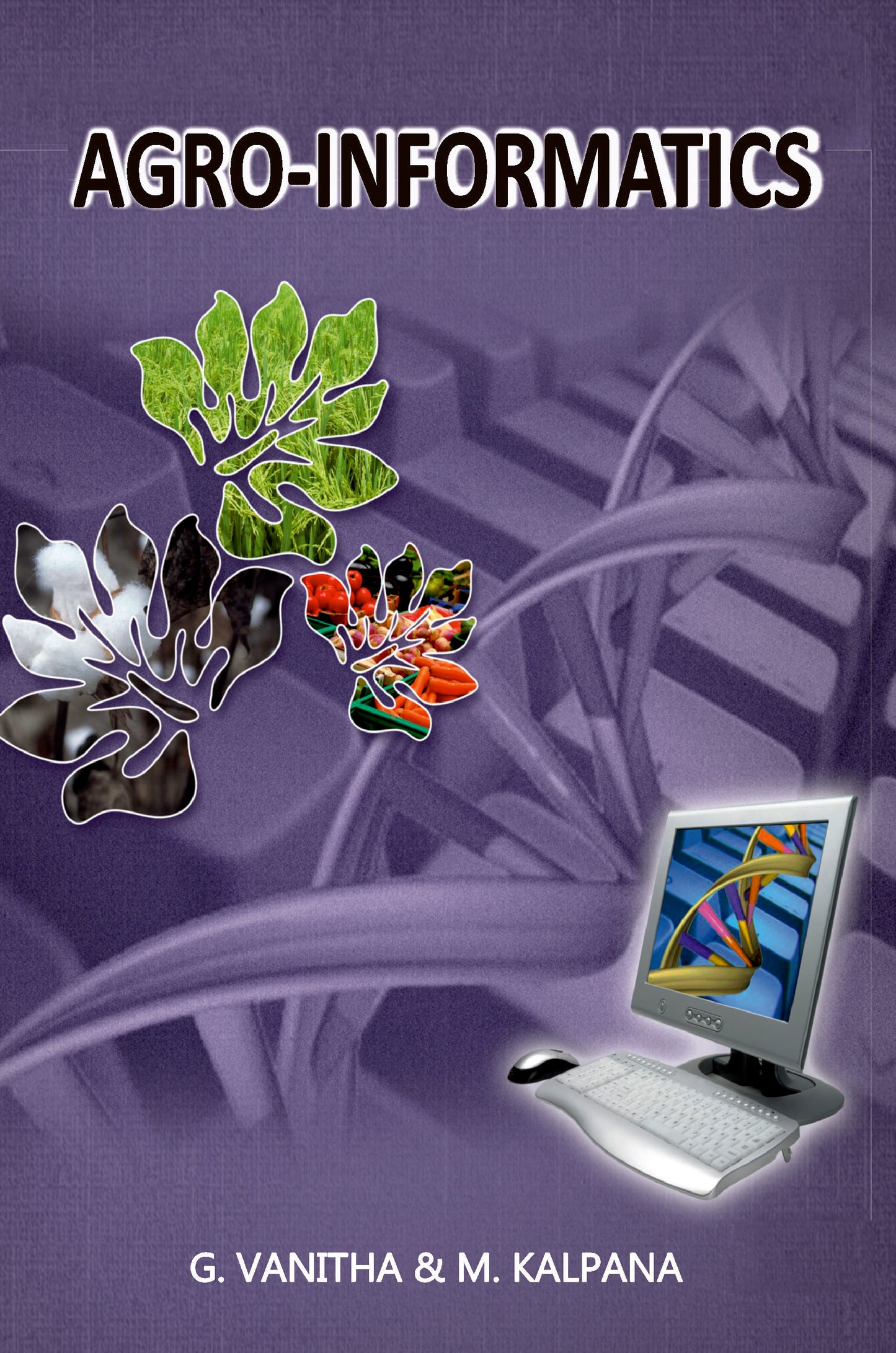
Author : G. Vanitha & M. Kalpana
Pages : 256
Year of Publication : 2011
Language : English
Binding : Hardback
The application of innovative ideas, techniques, and scientific knowledge to agriculture is known as agro-informatics. This field expands the horizons of computer science. The book "Agro-Informatics: Concepts, Methodologies, and Practices" provides information on the use of information technology in the management and analysis of agricultural data. It covers a variety of topics, including artificial intelligence, artificial neural networks, decision support systems, expert systems, geographic information systems, agriculture-related information systems, and genetic algorithms. Additionally, the book discusses programming languages and backend tools for software development. The book consists of 15 chapters that explore various dimensions of agro-informatics. It is intended to provide students with a fundamental understanding of the concepts of agro-informatics. Furthermore, the book will serve as a guide for researchers in the field. It was prepared with the changing needs of undergraduate curricula in mind and will be a valuable resource for universities that offer courses on agro-informatics.
Pages : 256
Year of Publication : 2011
Language : English
Binding : Hardback
The application of innovative ideas, techniques, and scientific knowledge to agriculture is known as agro-informatics. This field expands the horizons of computer science. The book "Agro-Informatics: Concepts, Methodologies, and Practices" provides information on the use of information technology in the management and analysis of agricultural data. It covers a variety of topics, including artificial intelligence, artificial neural networks, decision support systems, expert systems, geographic information systems, agriculture-related information systems, and genetic algorithms. Additionally, the book discusses programming languages and backend tools for software development. The book consists of 15 chapters that explore various dimensions of agro-informatics. It is intended to provide students with a fundamental understanding of the concepts of agro-informatics. Furthermore, the book will serve as a guide for researchers in the field. It was prepared with the changing needs of undergraduate curricula in mind and will be a valuable resource for universities that offer courses on agro-informatics.
Share