1
/
of
1
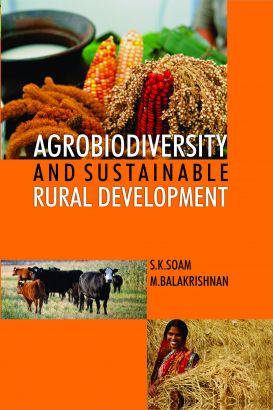
Agrobiodiversity and Sustainable Rural Development
Agrobiodiversity and Sustainable Rural Development
Regular price
$94.35 USD
Regular price
$157.25 USD
Sale price
$94.35 USD
Unit price
/
per
Couldn't load pickup availability
Author : S.K. Soam & M.Balakrishnan
Pages : 334
Year of Publication : 2015
Language : English
Binding : Hardback
Biodiversity management has become a major focus for researchers and development professionals in the current global environment. This area encompasses information on the current status of plant and animal biodiversity, indigenous practices, landraces, traditional knowledge, and gene bank conservation. The text provides a comprehensive account of major agricultural crops, such as wheat, rice, maize, sorghum, organic pigeon pea, millets, niger, and cotton, and discusses how underutilized bioresources can be commercialized. To ensure sustainability, the text also includes information on cattle, Indian livestock, poultry, native chickens, camelids, and pollinator faunas, with a focus on monitoring methods for the presence of adventitious transgenes and xenobiotic monitoring. Community involvement is key to sustainable agrobiodiversity management, and the text highlights the importance of awareness, community strategies, social equity, conservation of local practices, and community participation. It covers indigenous practices for seed storage, conservation of traditional water tanks, tribal farmers' knowledge and practices, the role of women in conservation, organic practices, community seed networks, community pastures, and public-private partnerships.
Pages : 334
Year of Publication : 2015
Language : English
Binding : Hardback
Biodiversity management has become a major focus for researchers and development professionals in the current global environment. This area encompasses information on the current status of plant and animal biodiversity, indigenous practices, landraces, traditional knowledge, and gene bank conservation. The text provides a comprehensive account of major agricultural crops, such as wheat, rice, maize, sorghum, organic pigeon pea, millets, niger, and cotton, and discusses how underutilized bioresources can be commercialized. To ensure sustainability, the text also includes information on cattle, Indian livestock, poultry, native chickens, camelids, and pollinator faunas, with a focus on monitoring methods for the presence of adventitious transgenes and xenobiotic monitoring. Community involvement is key to sustainable agrobiodiversity management, and the text highlights the importance of awareness, community strategies, social equity, conservation of local practices, and community participation. It covers indigenous practices for seed storage, conservation of traditional water tanks, tribal farmers' knowledge and practices, the role of women in conservation, organic practices, community seed networks, community pastures, and public-private partnerships.
Share