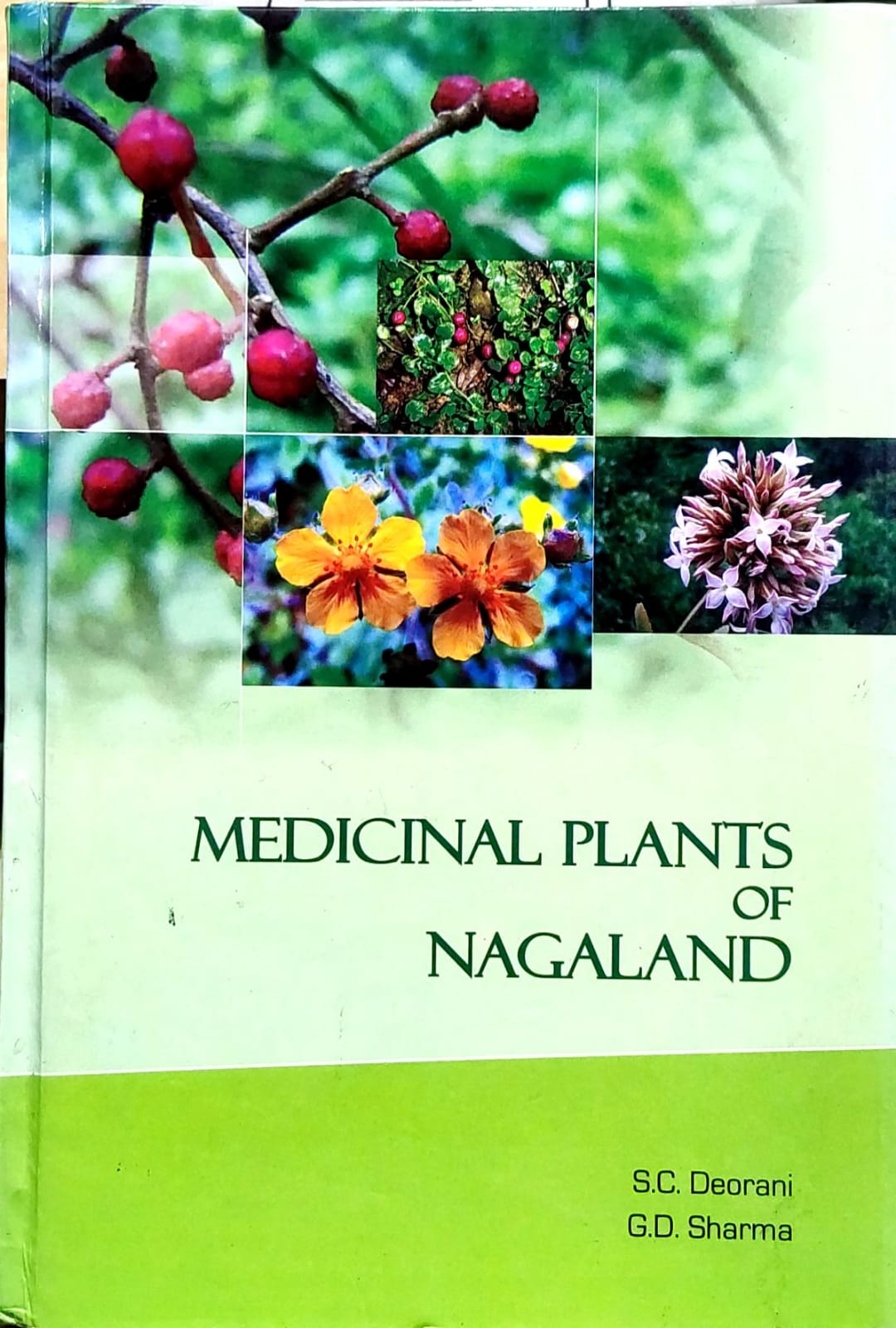
Medicinal Plants of Nagaland
Medicinal Plants of Nagaland
Hardcover
Couldn't load pickup availability
DETAILS :
- Author : S.C. Deorani and G.D. Sharma
- Publisher : M/s Bishen Singh Mahendra Pal Singh
- Publication date : 1 January 2007
- Edition : First Edition
- Language : English
- ISBN-10 : 812110601X
- ISBN-13 : 978-8121106016
- Item Weight : 1000 g
ABOUT THE BOOK
Medicinal Plants of Nagaland, co-authored by the dedicated forestry administrator S.C. Deorani and the eminent botanist G.D. Sharma, is a pioneering ethnobotanical and conservationist monograph. Published by the Bishen Singh Mahendra Pal Singh print house, this comprehensive fieldwork-based volume serves as a critical bridge between ancient tribal oral traditions and modern pharmacological science, documenting the rich, untapped green pharmacy hidden within the unique bio-geographic zones of Nagaland.
The primary objective of the volume is to systematically catalogue, map, and analyze the diverse flora utilized for generations by the various indigenous tribes of Nagaland (such as the Ao, Angami, Sumi, and Konyak) for healthcare and survival. Located within the Indo-Burma biodiversity hotspot, Nagaland boasts an extraordinary variety of microclimates, ranging from tropical rainforests to alpine alpine zones, which foster highly specialized medicinal vegetation. The authors organize their empirical field research into a highly structured botanical directory, detailing each plant through specific scientific parameters:
- Taxonomic Identification: Provides the definitive botanical nomenclature, family classification, and detailed morphological descriptions to prevent misidentification in the wild.
- Vernacular Linguistics: Cross-references the local names of plants across different Naga dialects, preserving invaluable tribal linguistic heritage that is rapidly fading.
- Ethnomedicinal Applications: Documents the specific parts of the plant used (roots, bark, leaves, or resin) and the precise traditional methods of preparation—such as decoctions, poultices, and infusions—to treat ailments ranging from malaria, fractures, and venomous snakebites to chronic gastrointestinal disorders.
- Phytochemical & Ecological Profiles: Evaluates the known active biochemical compounds found within the flora while charting their geographical distribution and soil preferences across the state's rugged terrain.
Rather than presenting a purely static academic archive, the text reads as an urgent conservationist manifesto. The authors highlight the severe threats posed to these wild medicinal reservoirs by shifting cultivation (Jhum), deforestation, and commercial over-exploitation. The book offers actionable, strategic blueprints for establishing community-led herbal gardens, practicing sustainable harvesting techniques, and introducing intellectual property protections to shield tribal ethno-directed knowledge from biopiracy.
ABOUT THE AUTHOR
S.C. Deorani is a highly respected officer of the Indian Forest Service (IFS) who served extensively in the North-Eastern cadres. His administrative career provided him with unprecedented, long-term access to remote tribal territories, allowing him to observe grassroots traditional healing methods firsthand and coordinate state-level forest conservation initiatives.
Prof. Dr. G.D. Sharma is an eminent Indian botanist, mycologist, and academician who has served in high-ranking leadership positions across several North-Eastern universities, including Assam University and Bilaspur University. With decades of research dedicated to the microbial ecology, biodiversity, and ethnobotany of Northeast India, his rigorous scientific oversight ensured that the field data collected was validated against standard international herbarium practices.
Share